North Myrtle Beach
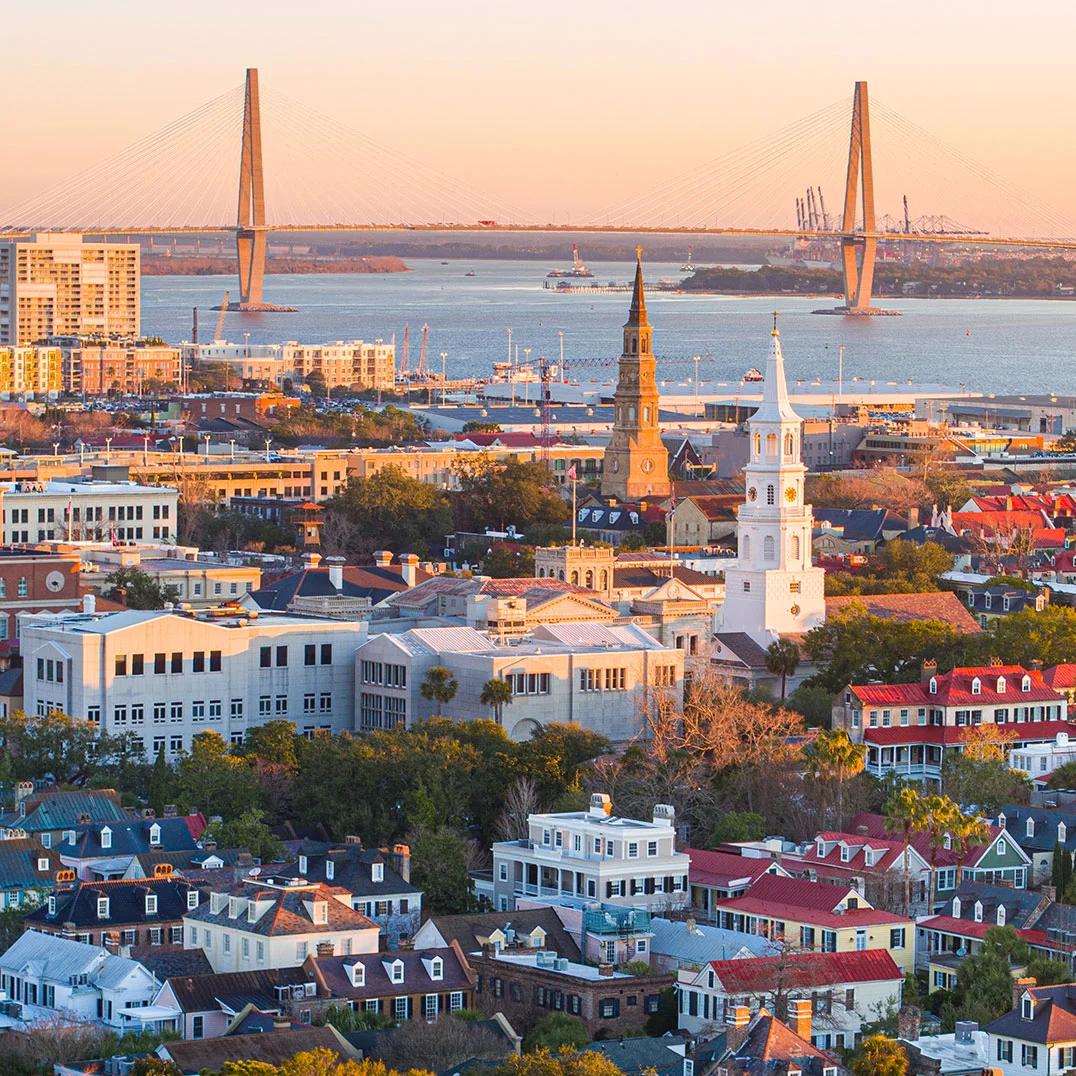
North Myrtle Beach is really five older beach communities stitched together under one municipal line — Cherry Grove, Ocean Drive, Crescent Beach, Windy Hill, and Little River sits just across the Intracoastal Waterway. That history shows up in the property stock: short-term rental condos and small oceanfront motels dominate the investment base, with a thinner layer of Highway 17 retail and service commercial serving the year-round population. An exchange file for this market has to separate hospitality-flavored real estate that qualifies as investment property from the vacation-home gray area the IRS scrutinizes closely.
What Actually Trades Here
Candidates in North Myrtle Beach fall into a narrow set of recognizable groups rather than a broad commercial mix.
- Oceanfront and second-row condo-hotel units operated through a rental management program
- Small motels and interval-ownership properties along Ocean Boulevard
- Retail strips and service commercial along Highway 17 and Sea Mountain Highway
- Marina and boat-storage facilities near Little River and the Intracoastal Waterway
- Multifamily and workforce housing serving the hospitality labor base inland toward Highway 9
Condo-hotel units need particular care on the like-kind side, since a unit an owner also uses personally for more than the limited personal-use allowance can jeopardize the property's qualification as held for investment, and documentation of actual rental days versus owner days should be assembled before the unit goes on an identification list.
Seasonal Cash Flow and Underwriting
Rental income here is heavily weighted toward the summer season, and a lender or advisor reviewing trailing income has to understand that a strong June-through-August number does not extrapolate evenly across twelve months. A replacement property search should pull at least two full seasonal cycles of rental history rather than a single peak-quarter snapshot, and any comparison to a steadier asset type elsewhere in the state — a Columbia office building or a Greenville industrial tenant, for example — should account for that swing rather than compare raw annual totals.
Corridors and Neighborhoods Worth Naming
Ocean Boulevard carries the oceanfront hospitality stock end to end, Sea Mountain Highway and Highway 17 hold the inland retail and service base, and the Little River waterfront handles marina and boat-related commercial activity. Main Street in Ocean Drive has seen a wave of redevelopment interest as older motels convert to condo product, which changes the replacement-property math for anyone identifying a unit there mid-conversion. A search radius that only looks at city limits can miss comparable Highway 17 corridor property sitting just north in Little River or south toward the Myrtle Beach line.
Identification Timing Along the Grand Strand
Grand Strand hospitality product turns over more often than inland commercial stock, so North Myrtle Beach investors typically have more raw listing volume to work with inside the 45-day identification window than a market like Aiken or Orangeburg. The tradeoff is pricing volatility tied to tourism trends, storm risk, and insurance cost, all of which move faster here than in inland South Carolina. An identification list built around three condo-hotel candidates should still include at least one steadier alternative — a Highway 17 retail strip or a Conway-area building — as a hedge against a late-stage insurance or HOA surprise on the coastal units.
Advisor and Closing Coordination
A handoff file for a North Myrtle Beach exchange should document the property's actual rental history, HOA reserve status, flood-zone designation, and windstorm insurance quote before the identification deadline, since all four items routinely move the deal after the fact if left unchecked. The qualified intermediary should have the identification language finalized early, and a lender comfortable underwriting coastal hospitality product should be looped in well before the 180-day closing deadline, since not every lender treats condo-hotel collateral the same way a standard commercial building is treated.
Common 1031 Exchange Questions
Can a North Myrtle Beach condo-hotel unit qualify as 1031 replacement property
It can, but the owner's personal use has to stay within the limited allowance the IRS permits for a unit otherwise held for investment. Documentation of actual rental days through the management program versus owner-use days should be assembled before the unit is identified, since the personal-use question is where these exchanges most often draw scrutiny.
How does the seasonal rental pattern affect underwriting on Grand Strand property
Trailing income here is weighted heavily toward summer, so a lender or advisor should review at least two full seasonal cycles rather than a single peak quarter. Comparing a North Myrtle Beach hospitality asset to a steadier inland property type on raw annual income alone can be misleading without that context.
Is there enough inventory to satisfy the three-property identification rule locally
Usually yes on raw listing count, since Grand Strand hospitality product turns over more often than inland commercial stock. The bigger risk is that most local candidates share the same coastal insurance and storm exposure, so a naming a steadier inland alternative as a backup is worth considering even when local volume looks sufficient.
What insurance issues come up most often before closing on coastal replacement property
Windstorm and flood coverage quotes can shift materially between identification and closing on oceanfront and near-oceanfront property, and HOA reserve funding for a condo-hotel building affects both insurability and resale value. Both should be checked before the property is named on the identification list, not after.
Does North Myrtle Beach connect to inland South Carolina markets for backup candidates
Yes. Sea Mountain Highway and Highway 17 run inland toward Conway and the wider Horry County commercial base, giving investors a realistic path to a steadier backup candidate without leaving the region entirely if a coastal identification falls through.
Ready to organize the exchange file?
Free Exchange GuidanceTurnkey South Carolina 1031 solutions
Planning a South Carolina property sale?
Talk through the sale, timing, replacement-property choices, and backup plan before the exchange clock narrows the options.