
Moncks Corner
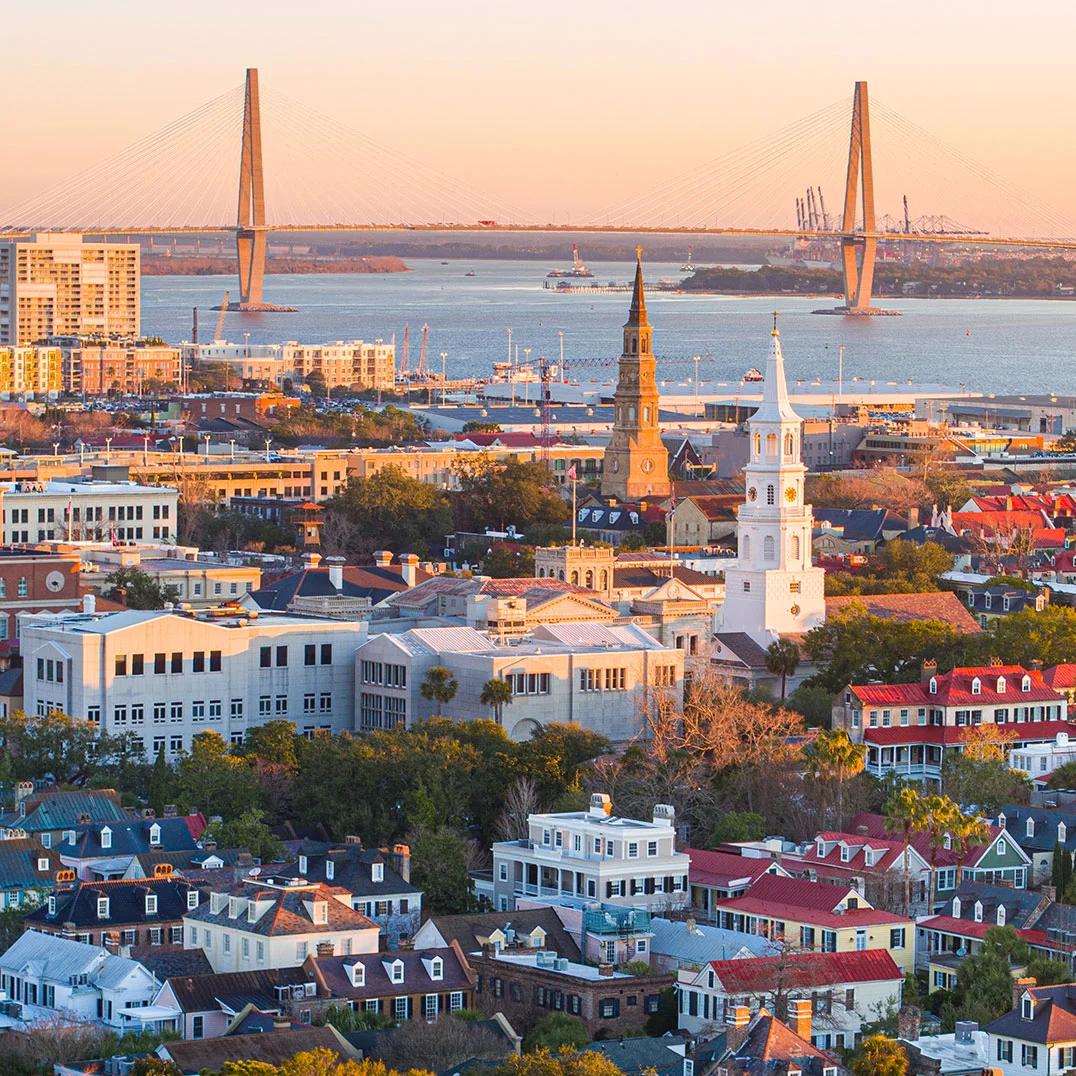
Moncks Corner is the Berkeley County seat, sitting where the Charleston metro's industrial expansion runs into a still-rural Lowcountry base built around Lake Moultrie and the Santee Cooper utility system. The last decade of growth along the I-26 corridor toward Charleston has pulled logistics, manufacturing-adjacent flex space, and rooftop-driven retail north into Berkeley County, while the older downtown core around Main Street and the courthouse square keeps a smaller-scale commercial character. A 1031 file here should reflect both halves rather than treat the county as a single uniform submarket.
Industrial Growth Driving the Market
Berkeley County's manufacturing base — anchored by large employers along the I-26 and Highway 176 corridors and reinforced by the broader Charleston port economy — has pushed warehouse, flex, and light-industrial construction north from North Charleston and Goose Creek into Moncks Corner. Replacement candidates commonly include:
- Single- and multi-tenant flex or light-industrial buildings near Highway 52 and the rail line
- Build-to-suit and speculative warehouse space serving the wider Charleston distribution network
- Retail pads and neighborhood centers built to serve new residential rooftops
- Rural and agricultural land with development potential near the Lake Moultrie shoreline
Speculative warehouse product built ahead of a signed tenant carries lease-up risk that a completed, occupied building does not, and that distinction should be documented plainly in the identification file rather than glossed over as simply industrial square footage.
Lake Moultrie and Rural Land
Land near Lake Moultrie and the Santee Cooper reservoir system draws recreational and agricultural investment interest distinct from the industrial corridor activity closer to Charleston. Raw or lightly improved land can qualify as like-kind replacement property when held for investment, but an exchange file should document the intended use and any existing lease or income arrangement, since undeveloped acreage with no income history draws more scrutiny than an occupied commercial building.
Corridors Worth Naming
Highway 52 and Highway 17A carry most of the industrial and logistics activity, Main Street anchors the historic downtown core, and Highway 176 connects Moncks Corner south toward Goose Creek and the North Charleston industrial base. The Naval Weapons Station Charleston sits along the county's southern edge and shapes both housing demand and buffer-zone land-use restrictions that a search should account for near that boundary.
Identification Timing Amid Regional Demand
Industrial and flex space in Berkeley County has moved quickly enough in recent years that a 45-day identification window can close before a preferred building is even under contract by someone else, particularly for smaller flex bays under 20,000 square feet that see the most competition. Investors should build an identification list with at least one candidate already under a signed letter of intent rather than relying entirely on active listings, and should coordinate early with a broker tracking off-market industrial inventory along the Highway 52 corridor.
Advisor and Closing Coordination
A Moncks Corner exchange file should record whether a warehouse candidate is leased or speculative, what environmental or wetlands review applies to any Lake Moultrie-adjacent land, and how the Naval Weapons Station buffer zone affects use restrictions on nearby parcels. The qualified intermediary needs the identification language settled early, and a lender familiar with Berkeley County industrial underwriting should be brought in well before the 180-day closing deadline given how quickly comparable product can be absorbed by other buyers. Utility capacity is worth a direct check as well, since Santee Cooper service territory boundaries and available power capacity can affect which parcels are actually shovel-ready for a build-to-suit tenant.
Common 1031 Exchange Questions
Why has Moncks Corner seen so much industrial development recently
Growth along the I-26 corridor and the broader Charleston port economy has pushed warehouse and light-industrial construction north from North Charleston and Goose Creek into Berkeley County, where land costs less and highway access along Highway 52 and Highway 17A remains strong.
Does raw land near Lake Moultrie qualify for a 1031 exchange
It can, if held for investment or business use, but undeveloped acreage with no rental or lease income draws more scrutiny than an occupied commercial building. The exchange file should document the intended use and any existing income arrangement rather than leave the qualification question implicit.
How does speculative warehouse construction affect identification decisions
A speculative building with no signed tenant carries lease-up risk that an occupied property does not, and that risk should be weighed and documented before the building goes on an identification list, particularly for smaller flex bays that see more buyer competition.
What does the Naval Weapons Station Charleston mean for nearby property
The base sits along the county's southern edge and its buffer zone can affect use restrictions on adjacent parcels. A search should account for that boundary when evaluating industrial or land candidates near the southern county line.
How fast does industrial and flex space move in this market
Quickly enough that a 45-day identification window can close before a preferred building is even under contract with someone else. Investors are better served building a list that includes at least one candidate already under a signed letter of intent rather than relying solely on active listings.
Ready to organize the exchange file?
Free Exchange GuidanceTurnkey South Carolina 1031 solutions
Planning a South Carolina property sale?
Talk through the sale, timing, replacement-property choices, and backup plan before the exchange clock narrows the options.