
James Island
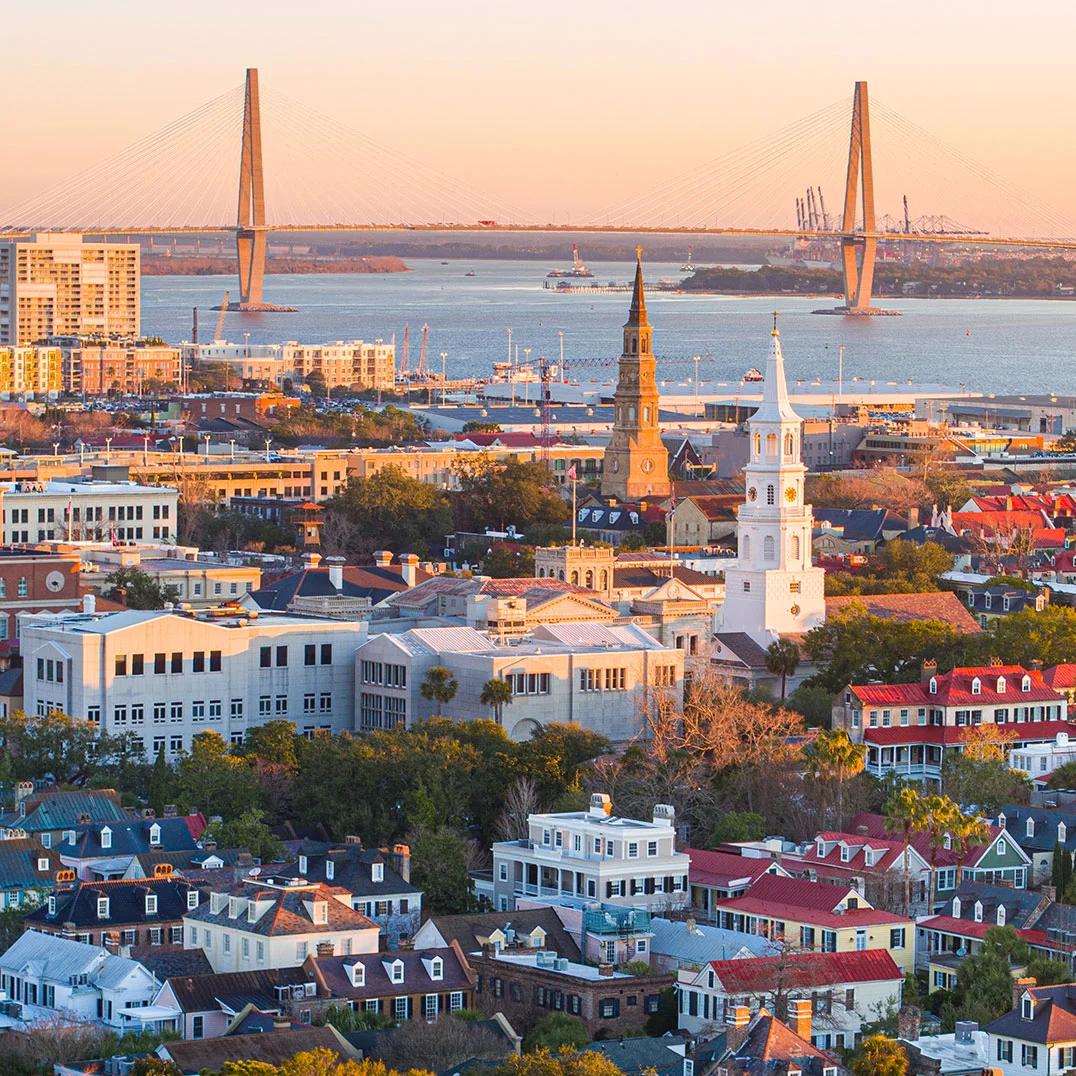
James Island sits between the Charleston peninsula and Folly Beach, a sea island bounded by marsh and tidal creeks that has stayed predominantly residential even as the surrounding Charleston market has grown. Commercial development is concentrated almost entirely along Folly Road, with smaller nodes on Camp Road and Harborview Road, and the island's geography leaves little room for the kind of sprawling retail development seen in West Ashley or Mount Pleasant. An exchange buyer naming James Island property should expect a narrow, corridor-bound search rather than a broad one.
Folly Road as the Commercial Spine
Nearly every retail strip, medical office, and service business on the island sits along Folly Road, the single arterial connecting downtown Charleston to Folly Beach. That concentration cuts both ways for an exchange search: it makes the inventory easy to canvass in one pass, but it also means a single stretch of road effectively sets the ceiling on how much investment-grade commercial the island can support. Secondary nodes on Camp Road near James Island County Park and along Harborview Road add modest additional inventory.
Flood Zone and Land Constraint Realities
As a sea island bounded by marsh, much of James Island's commercial land sits within or near FEMA-mapped flood zones, which affects insurance cost and lender underwriting in ways that a mainland Charleston County property would not face. A replacement property file here should carry the flood zone designation and current flood insurance quote up front, since a lender's comfort with that exposure can change the deal's economics more than the purchase price itself.
How James Island Compares to Peninsula and Mount Pleasant Pricing
James Island commercial property generally prices below peninsula Charleston and below Mount Pleasant's newer retail nodes, offering an exchange buyer a lower entry point into the greater Charleston market without leaving the county. That relative value comes with the tradeoff of a smaller, less liquid pool of qualifying buildings, so an investor weighing James Island against peninsula or Mount Pleasant candidates should factor in how much harder a future exit might be given the island's limited stock.
Identification Timing on a Constrained Island
Because Folly Road and its side streets hold most of the island's qualifying inventory, investors identifying James Island property inside the 45-day window often need backup candidates in West Ashley or downtown Charleston to reliably reach three viable options. That backup search should start immediately rather than after the island's short list of candidates has already been checked.
Closing Coordination and Flood Documentation
A handoff file for James Island property should include the flood zone designation, current flood insurance premium, and any elevation certificate on record, along with the standard tenant and lease detail. That documentation should reach the lender and qualified intermediary early, since flood insurance underwriting can extend the closing timeline in a way that puts pressure on the 180-day window if it is left until late in the process.
Common 1031 Exchange Questions
Where is most of James Island's commercial property located
Along Folly Road, the single arterial connecting downtown Charleston to Folly Beach, with smaller nodes on Camp Road near James Island County Park and along Harborview Road. There is little commercial development away from these corridors.
Why does flood zone status matter more on James Island than elsewhere in the Charleston area
As a sea island bounded by marsh and tidal creeks, much of James Island's commercial land sits within or near FEMA flood zones, which affects insurance cost and lender underwriting. The flood designation and insurance quote should be documented in the exchange file up front.
How does James Island commercial pricing compare to peninsula Charleston or Mount Pleasant
It generally prices lower, giving an exchange buyer a more affordable entry point into the greater Charleston market. The tradeoff is a smaller, less liquid pool of qualifying buildings and a harder future exit.
Is there enough inventory on James Island to satisfy the three-property identification rule alone
Often not. Because Folly Road and its side streets hold most of the qualifying commercial stock, investors typically need backup candidates in West Ashley or downtown Charleston to reliably reach three viable options.
What should be included in a James Island closing file beyond standard lease detail
The flood zone designation, current flood insurance premium, and any elevation certificate on record. Flood insurance underwriting can extend the closing timeline, so this documentation should reach the lender and qualified intermediary early rather than late in the 180-day window. The file should also state whether the quoted premium is transferable, whether wind coverage is separate, and whether the lender has accepted the carrier before the property becomes a final identification. That confirmation belongs in the written exchange file.
Ready to organize the exchange file?
Free Exchange GuidanceTurnkey South Carolina 1031 solutions
Planning a South Carolina property sale?
Talk through the sale, timing, replacement-property choices, and backup plan before the exchange clock narrows the options.