
Irmo
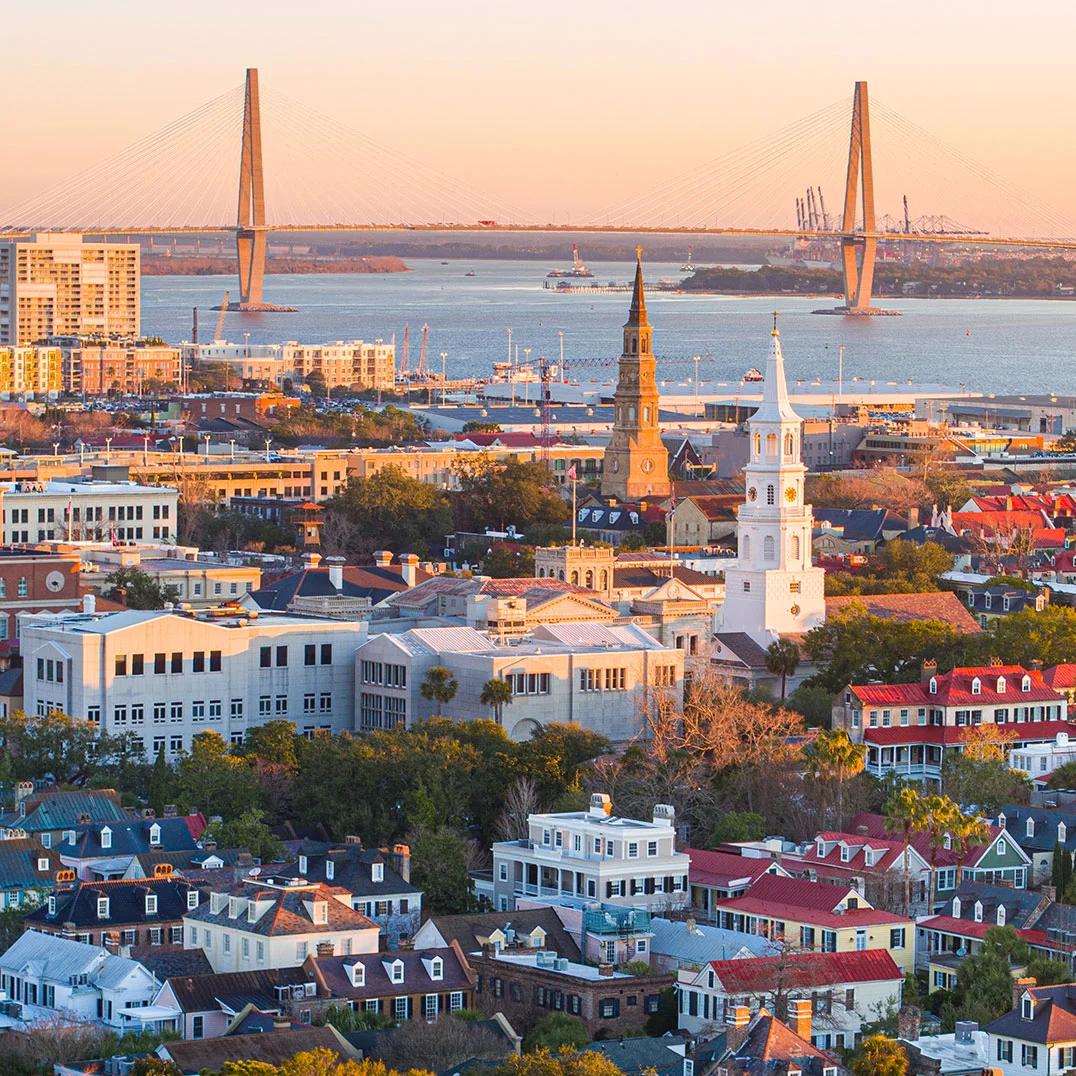
Irmo sits astride the Richland-Lexington county line northwest of Columbia, wrapped around the eastern edge of Lake Murray, and the town's commercial base reflects its role as a bedroom community rather than a regional destination. Retail and service commercial concentrate along St. Andrews Road, Lake Murray Boulevard, and Broad River Road, feeding off residential rooftops rather than drawing outside traffic. An exchange buyer here is generally underwriting steady local demand rather than growth-story upside.
The St. Andrews Road and Lake Murray Boulevard Corridors
These two roads carry most of Irmo's investment-grade retail and office space, anchored by grocery-anchored centers and a mix of national and local tenants serving the surrounding subdivisions. Property along this corridor tends to be well leased given the density of rooftops nearby, but rents have not moved as aggressively as in faster-growing submarkets, which keeps entry pricing more reasonable for an exchange buyer trading up from a smaller market. Broad River Road adds a third corridor worth naming separately, since its tenant mix skews more toward service and personal-care retail than the grocery-anchored centers on St. Andrews and Lake Murray Boulevard, and vacancy there can behave differently through a given leasing cycle.
Lake Murray's Influence on the Local Economy
Lake Murray borders Irmo's western edge and supports a modest recreational and marina-adjacent commercial base, along with the seasonal draw that comes with lake tourism, including the annual Irmo Okra Strut festival that draws visitors into the town center each fall. Recreational-use property near the lake needs the same like-kind scrutiny as anywhere else, meaning a marina or boat storage facility should be documented as a genuine leased business operation rather than assumed to qualify on its waterfront location alone, and an investor should ask for occupancy and revenue history rather than treat a marina as inherently investment-grade.
What Else Trades in Irmo
Beyond the two main retail corridors, a search list should note several other categories active in Irmo.
- Single-tenant medical and dental office serving the surrounding subdivisions
- Small multifamily and townhome-style investment property near the town center
- Service commercial and personal-care retail along Broad River Road
- Land parcels near the Harbison retail node just across the Richland County line, often bundled into an Irmo-area search
County Line Considerations for Closing
Because Irmo straddles Richland and Lexington counties, an exchange file should confirm which county a specific parcel sits in before closing, since permitting history, tax rates, and utility providers can differ block to block along the line. This is a detail worth confirming early with the closing attorney rather than assuming based on the property's Irmo mailing address.
Identification Timing in a Stable Bedroom Market
Irmo's retail and office inventory turns over at a steady but unspectacular pace, generally offering enough candidates along St. Andrews Road and Lake Murray Boulevard to support a genuine three-property list without reaching into Columbia proper. Investors should still confirm lease expiration timing on any occupied candidate early, since a tenant renewal or vacancy decision close to the 45-day deadline can change a property's standing on short notice.
Common 1031 Exchange Questions
What kind of replacement property is most common in Irmo
Grocery-anchored and small-format retail along St. Andrews Road and Lake Murray Boulevard, single-tenant medical or dental office, and small multifamily near the town center are the most common candidates, feeding off the surrounding residential base rather than outside traffic.
Can a Lake Murray marina qualify as replacement property
It can, but only if genuinely operated as a leased business, not personal recreational use. The exchange file should document the actual rental arrangement rather than rely on the waterfront location alone to establish like-kind status.
Does it matter that Irmo sits across two counties
Yes. Irmo straddles the Richland-Lexington county line, and permitting history, tax rates, and utility providers can differ block to block. Confirming which county a specific parcel sits in should happen early with the closing attorney rather than being assumed.
Is there enough inventory in Irmo to satisfy the three-property identification rule on its own
Usually yes. St. Andrews Road and Lake Murray Boulevard generally carry enough retail and office turnover to support a genuine three-property list without reaching into Columbia proper, though lease expiration timing on occupied candidates should still be confirmed early.
Should the Harbison retail node be included in an Irmo search
It often is, since Harbison sits just across the Richland County line and functions as part of the same commercial trade area investors already looking at Irmo would naturally consider. The comparison should separate county tax treatment and utility responsibility rather than assuming two nearby properties carry identical operating costs.
Ready to organize the exchange file?
Free Exchange GuidanceTurnkey South Carolina 1031 solutions
Planning a South Carolina property sale?
Talk through the sale, timing, replacement-property choices, and backup plan before the exchange clock narrows the options.