Fountain Inn
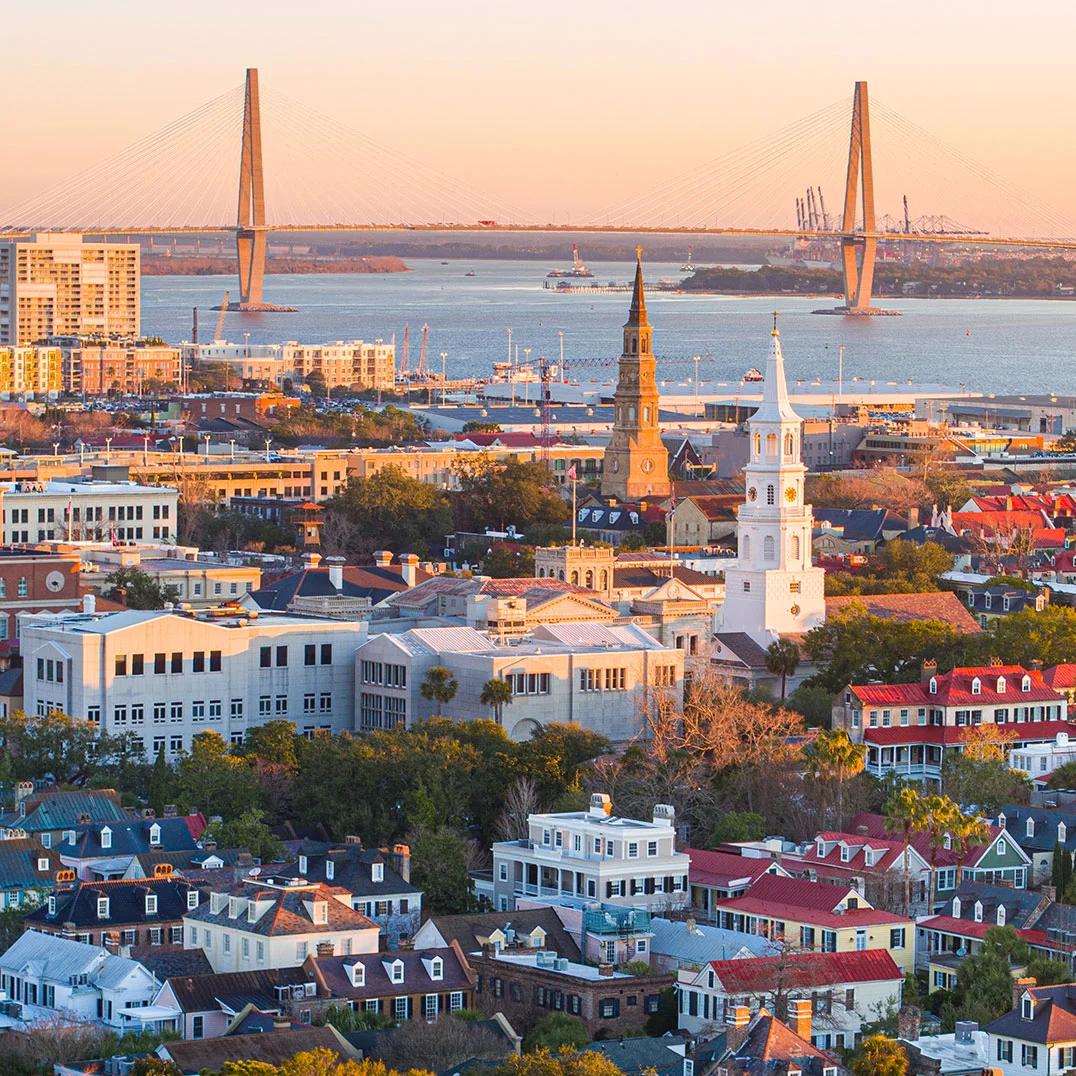
Fountain Inn sits at the southern edge of the Greenville-Spartanburg-Anderson metro, split across Greenville and Laurens counties, and the town has grown faster than its commercial inventory has kept pace with. Rooftops arrived first along the I-385 approach and the newer subdivisions off Fairview Street, and retail and service commercial are still building out behind that residential base. A 1031 buyer looking here is often betting on continued rooftop growth rather than buying into an already-mature retail node, which is a different proposition than a Simpsonville or Mauldin file just up the corridor.
What's Actually Available in Fountain Inn
The town's commercial base is thin enough that a search list should name specific categories rather than describe Fountain Inn broadly.
- New-construction retail pads and small shopping centers along the I-385/Fairview Road approach
- Restored downtown mixed-use buildings on Main Street and Depot Street
- Light industrial and flex space pulled by BMW's supplier network in nearby Greer and Duncan
- Single-tenant medical or dental office serving new subdivisions
- A limited pool of older strip retail near the original downtown core
Downtown Main Street buildings carry historic character but often need envelope and code review before they screen clean for an exchange file, since several date to the early 1900s and have had inconsistent maintenance.
Why Rooftops Are Ahead of Retail
New subdivisions have gone up faster along Fairview Street and toward Simpsonville than the retail base has followed, which means an investor buying here is often underwriting a bet on continued population growth rather than buying into stabilized demand. That can work in an exchange buyer's favor on price, since land and small commercial buildings in Fountain Inn have not caught up to the rent levels seen closer to downtown Greenville, but it also means less certainty about tenant demand three to five years out compared to a more built-out submarket.
The BMW Supply Chain Effect
BMW Manufacturing's plant in Greer, along with its supplier base spread through Duncan and the I-385/I-85 interchange area, pulls industrial and flex demand into Fountain Inn's northern edge. A replacement property tied to that supply chain carries different underwriting than a small retail pad on Fairview Road, since lease terms and tenant credit often trace back to automotive-sector contracts rather than local retail spending. An identification file naming industrial space here should document the tenant's position in that supply chain, not just the building's square footage.
Identification Timing in a Growing but Thin Market
Because Fountain Inn's investment-grade inventory is still small, investors identifying property here inside the 45-day window often need to widen the search toward Simpsonville or Mauldin to reliably reach three viable candidates. That backup search should be planned before the clock starts rather than after weeks of looking locally turn up little, and a broker who tracks both Fountain Inn's new construction pipeline and the adjacent Simpsonville market is worth involving early.
Coordination Before the 180-Day Close
A handoff file for Fountain Inn property should note whether the building is new construction under a builder's warranty or an older downtown structure needing repair, what lease terms are tied to the BMW supply chain if applicable, and which backup candidates outside town were named. That record lets the qualified intermediary, lender, and tax advisor work from the same picture instead of piecing it together at closing.
Common 1031 Exchange Questions
Does Fountain Inn have enough commercial inventory to satisfy the three-property identification rule on its own
Not reliably. The commercial base here is still catching up to the town's residential growth, so investors identifying property in Fountain Inn often widen the search toward Simpsonville or Mauldin to keep three viable candidates on the list.
What kind of replacement property is most common in Fountain Inn
New-construction retail pads along the I-385 and Fairview Road approach, restored downtown mixed-use buildings on Main and Depot streets, and light industrial or flex space tied to the BMW supplier base in Greer and Duncan are the most common candidates.
Why does an automotive supply chain matter for an industrial exchange candidate here
Lease terms and tenant credit on flex or industrial buildings near Fountain Inn often trace back to BMW's supplier contracts rather than local demand, so an identification file should document that supply chain position rather than treating the building as generic industrial space.
Are downtown Main Street buildings a good replacement candidate
They can be, but many date to the early 1900s and have had inconsistent maintenance, so roof, electrical, and code review should happen before a downtown building goes on the identification list.
Who should be involved before naming Fountain Inn property on the identification list
A broker who tracks both Fountain Inn's new construction pipeline and the adjacent Simpsonville market, the qualified intermediary, and a lender familiar with newer-growth suburban submarkets should all weigh in before the 45-day window closes.
Ready to organize the exchange file?
Free Exchange GuidanceTurnkey South Carolina 1031 solutions
Planning a South Carolina property sale?
Talk through the sale, timing, replacement-property choices, and backup plan before the exchange clock narrows the options.